

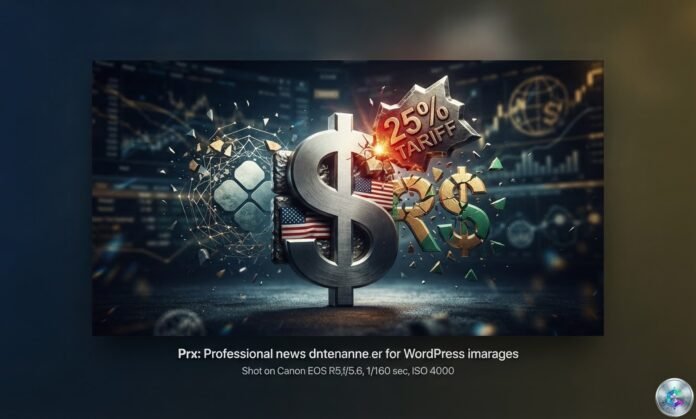
On July 22, 2026, Washington imposed a 25% tariff on most Brazilian goods via Section 301. For the first time, this provision has been deployed against a foreign domestic payment system — Pix. The irony of timing: dollar-pegged stablecoins already capture 90% of the country’s crypto transaction volume.
🔑 Key Takeaways
- First-ever deployment of Section 301 against a domestic payment system.
- 25% tariff on Brazilian goods effective July 22, 2026.
- Pix: 170 million users and ~7 billion transactions in June 2026 ($590B).
- Dollar stablecoins capture 90% of Brazilian crypto transaction volume ($6-8B/month).
- Resolution 561: ban on stablecoins for cross-border payments from October 1, 2026.
Section 301 vs Pix: An unprecedented move in trade policy
The Trump administration has reactivated Section 301, traditionally reserved for intellectual property theft, industrial subsidies or market access barriers. For the first time, Washington is invoking it against a domestic payment network — Brazil’s Pix. The move follows the Supreme Court’s striking down of previous import tariffs, forcing the USTR to rebuild its legal case from scratch after an investigation opened in July 2025.
« This action is necessary to address these unfair trade practices and ensure American workers and businesses can compete on a level playing field, » declared Jamieson Greer, the US Trade Representative. The core argument: Pix’s free tier for individuals and capped merchant fees disadvantage Visa and Mastercard in a market now dominated by Brazil’s instant payment rail.
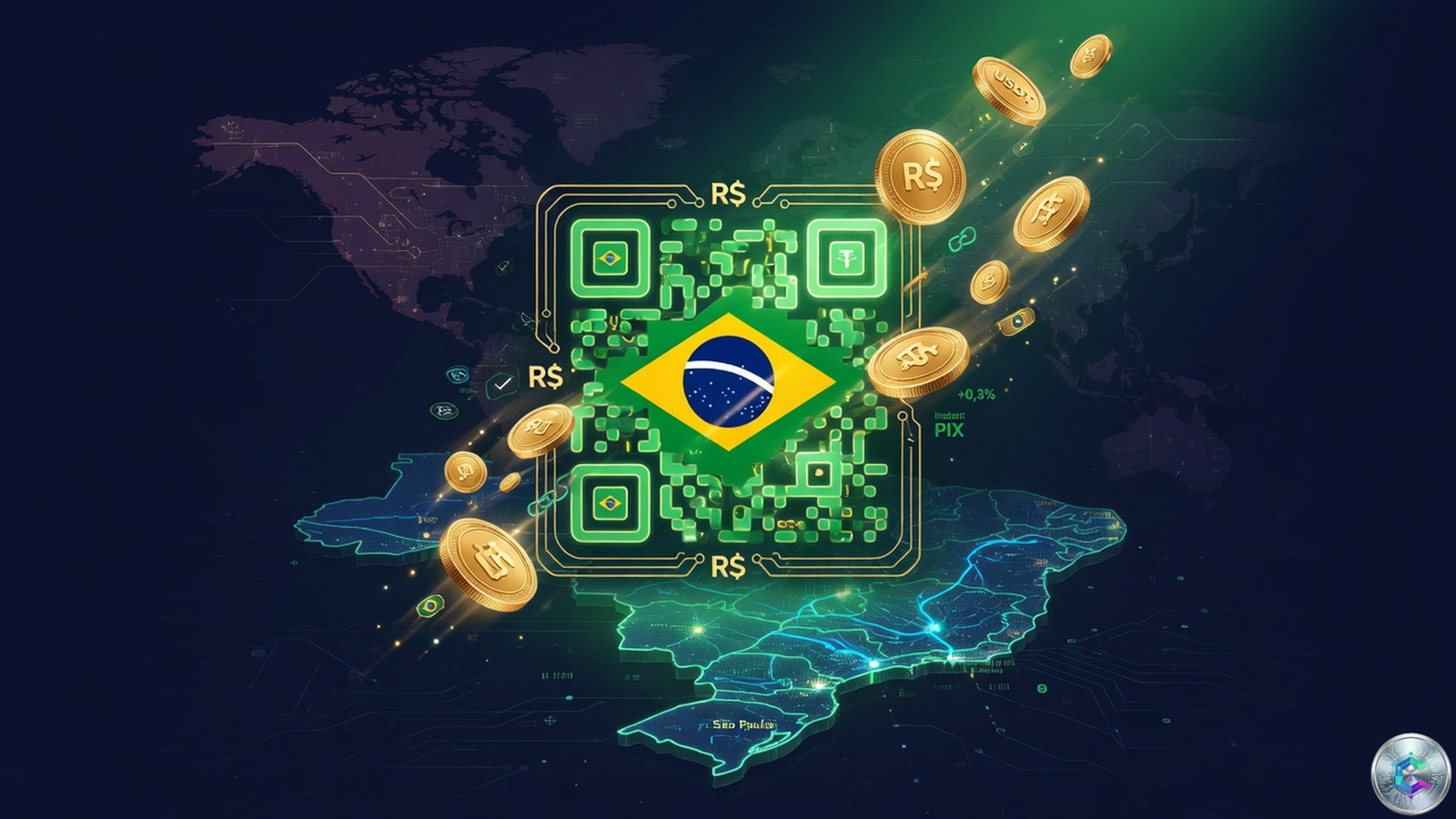
Pix: A five-year-old system that swallowed Brazilian finance
Launched in November 2020 by the Banco Central do Brasil, Pix allows any holder of a Brazilian bank account to execute instant transfers via QR code, free of charge for individuals and at marginal cost for merchants. In June 2026, the system processed nearly 7 billion transactions valued at approximately 3 trillion reais ($590 billion).
Adoption has outpaced all forecasts. In H2 2025, Pix logged 42.9 billion transactions versus 23.8 billion for credit, debit and prepaid cards combined. Of Brazil’s 213 million inhabitants, 178 million have signed up for Pix, a penetration rate of 83.5%.
| Metric | Pix | Combined cards |
|---|---|---|
| H2 2025 transactions | 42.9 billion | 23.8 billion |
| June 2026 transactions | ~7 billion | n/a |
| Monthly volume (USD) | ~$590B | n/a |
| Enrolled population | 178 million | n/a |
Dollar stablecoins: The silent counterattack
Geopolitical paradox: while Washington seeks to protect US payment incumbents, the dollar already circulates massively across Brazil’s digital economy via stablecoins. According to Brazil’s tax authority (Receita Federal), these dollar-pegged tokens account for roughly 90% of total crypto transaction volume, primarily used for payments and settlements.
Brazil processes between $6 and $8 billion in cryptocurrencies each month, a growing share of which flows through USDT and USDC rather than reais. This digital dollarization stands in direct tension with Brasília’s stated ambition — notably during its 2025 BRICS presidency — to promote local-currency settlement. Officials clarified that no BRICS common currency is in development.
« In practice they are complementary. Pix addressed domestic instant payments well, while stablecoins extend what is possible by operating on blockchain rails. »
Rodrigo Caggiano, founder of RWA Monitor
Resolution 561: Brasília locks down cross-border rails
To preserve monetary sovereignty, the Brazilian central bank has issued Resolution 561, effective October 1, 2026. It bars payment institutions from settling cross-border transactions in stablecoins or other cryptocurrencies, shutting a backend channel that had been routing reais through dollar tokens. Officials justify the ban as a defense of monetary sovereignty, AML/CFT enforcement and tax collection.
The contrast with India is striking: UPI processed $300 billion in payments in March 2025 without fees, without triggering any USTR action. This asymmetry raises questions about the coherence of US trade doctrine and fuels accusations of political targeting. Pix now faces pressure from both sides: Washington has identified it as a trade barrier, while Brazilian regulators shield it from stablecoin competition.
Pix fraud: Structural vulnerabilities
Pix is not without domestic flaws. Criminal networks exploit settlement speed by stealing phones and instantly transferring tens of thousands of reais before victims can react. Between January and September last year, the Brazilian Public Security Forum estimates that 24 to 28 million people fell victim to Pix-related crimes, though no reliable estimate of total losses has been published.
« From a technical and legal standpoint, Pix is safe. But it is not immune to fraud because the risks do not lie in its technology; they lie in the people trying to deceive others. »
Ana Paula Siqueira, digital law expert
Most fraud relies on social engineering, fake IDs and urgent payment requests under false pretenses. Brazilian police, banks and insurers are still struggling to contain these rapid fund movements.
Conclusion: A precedent with global ramifications
According to the Atlantic Council, this ruling sets a major precedent: government-run payment networks are now a new battleground for international trade disputes. The scenario could extend to India’s UPI or the ECB’s planned digital euro, both of which could equally be perceived as anticompetitive by US incumbents.
For Brasília, the equation is complex. Authorities want to shield Pix from dollar stablecoin competition (Resolution 561) while negotiating with Washington on tariffs. The effectiveness of Section 301 will hinge on Brazil’s diplomatic response and on the shifting balance of power between the United States and BRICS over payment infrastructure sovereignty. In the short term, USD stablecoins retain a structural advantage: they operate on open blockchains and largely escape state control.
Sources
- CoinDesk — Trump targets Brazil’s payments system as dollar stablecoins dominate
- Financial Times — Brazil payment system coverage
- AP News — Brazil payment system Pix investigation
- Yahoo Finance — Brazil instant payment system Pix
This article is published for informational and educational purposes only. It does not constitute investment advice. Do your own research (DYOR) before making any decisions.

