


The New York Times reports that US officials believe Chinese intelligence targeted Nvidia CEO Jensen Huang through a Singapore data-centre executive who also bought Nvidia chips. The company has opened an independent investigation, and Huang has admitted an extramarital affair. The case blends personal conduct, advanced chip export controls and US-China rivalry, raising one core question: how much real risk does it pose to the AI supply chain?
🔑 Key takeaways
- Citing people briefed on classified material, the NYT reports US officials suspect a Chinese intelligence operation involving Nvidia CEO Jensen Huang.
- Huang has acknowledged being unfaithful to his wife; Nvidia says it has no reason to believe secrets or national security were compromised.
- The H200 sits at the centre of the debate: CNN reports Washington cleared ten Chinese firms to buy the chip.
- According to the NYT, Donald Trump was briefed roughly a year ago and chose not to act.
Where intelligence meets personal conduct
Huang co-founded Nvidia in 1993 and has led the company for more than three decades. The BBC credits him with rescuing Nvidia from bankruptcy more than once and with backing AI well before most of the industry, turning a chip designed for gaming into the core hardware of AI development. Nvidia supplies leading model developers including OpenAI and Meta. Earlier in 2026, he joined Trump and other senior executives in Beijing for a meeting with Chinese leader Xi Jinping. CNN put Nvidia’s valuation above $4 trillion and called it the world’s second-largest company; the BBC estimated about $4.5 trillion.
According to the New York Times, based on interviews with people briefed on classified files, Alice Huang, also known as Huang Le, is a Chinese businesswoman with no family relation to Jensen Huang. She was a senior executive at Megaspeed, a Singapore-based data-centre company and buyer of Nvidia chips. US authorities already suspected her of trying to circumvent Beijing’s restrictions on access to advanced AI chips. Some US media have raised the possibility that she helped smuggle such chips into China, but these claims have not been publicly confirmed.
Surveillance reportedly captured communications between Alice Huang and a US citizen, later identified as Jensen Huang through a process known as “unmasking” (the identification of a person whose name was concealed in intelligence reporting). US officials concluded she was a “Chinese intelligence asset” passing information to Beijing. What she passed on, how valuable it was and when the intelligence began remain unknown. Alice Huang did not respond to requests for comment. The Financial Times had earlier reported that US intelligence believed the two were in a romantic relationship.
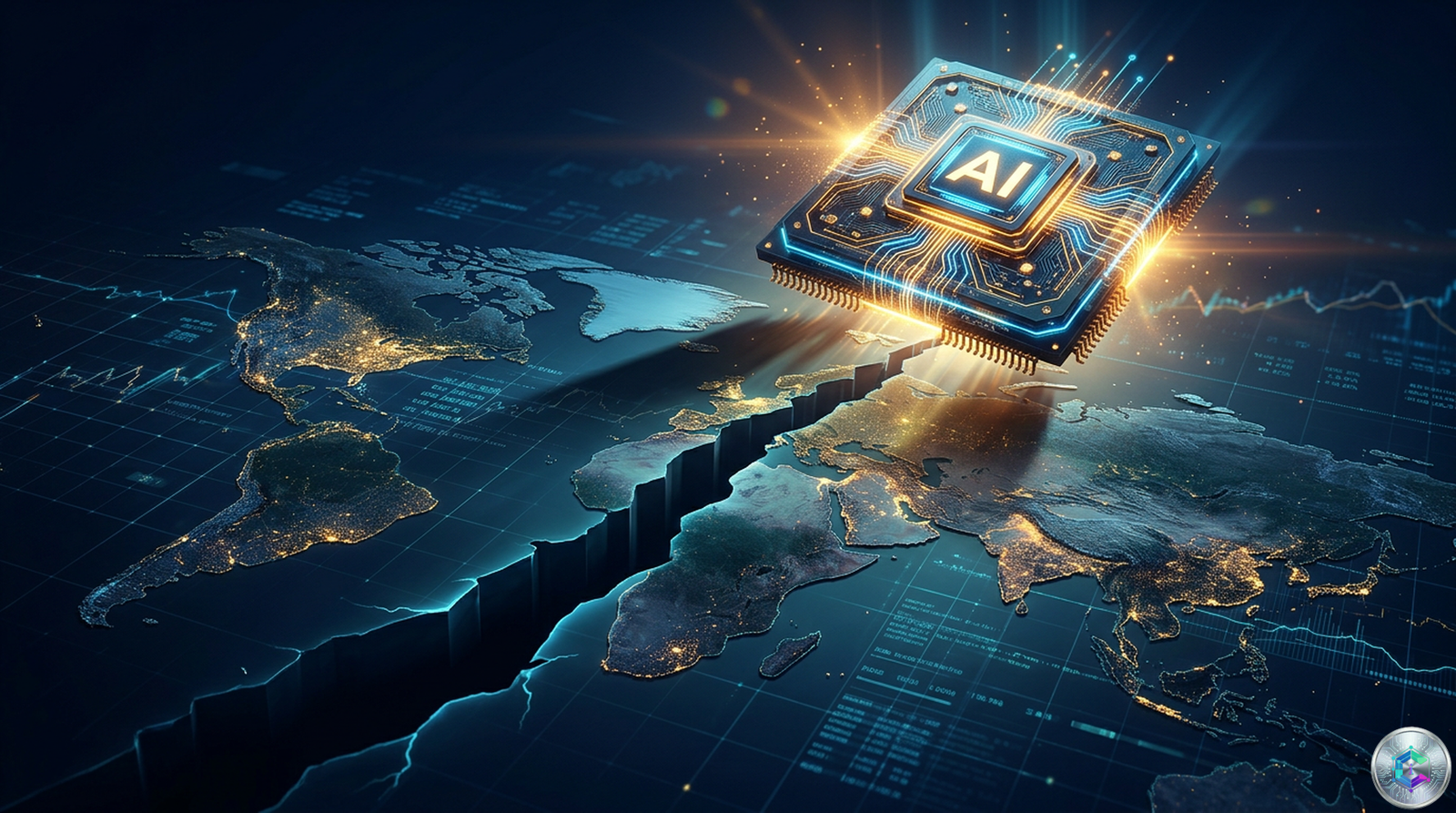
Megaspeed, the H200 and China exposure
The H200, described as Nvidia’s second-most advanced semiconductor, had been restricted by Washington over concerns about China’s technological progress. In January the Trump administration said the chips could be sold to Chinese customers under certain conditions. CNN reported that the US government had cleared ten Chinese firms to buy the chips, without specifying how many units had actually been sold.
The financial exposure is material. A forum contributor citing Nvidia’s regulatory filing for the July quarter put China and Hong Kong revenue at $7.88 billion out of $96.2 billion, against $3.99 billion out of $46.7 billion a year earlier. China’s share stayed close to 8% while nearly doubling in absolute terms. The same filing reportedly said a substantial portion of Nvidia products were warehoused in and distributed from Hong Kong.
| Period | China + Hong Kong | Total revenue | China share |
|---|---|---|---|
| July quarter, prior year | $3.99B | $46.7B | 8.5% |
| July quarter, current year | $7.88B | $96.2B | 8.2% |
These figures came from a forum user identifying himself as Equibles. Another commenter challenged the account’s provenance and alleged commercial spam, and the filing itself was not included in the supplied material. The percentages were calculated for this article.
Washington’s uncomfortable timeline
The NYT reports that Donald Trump was briefed on the intelligence “roughly a year ago” and chose not to act. The newspaper said he was wary of disrupting Nvidia chip sales, which were helping drive the economy and the stock market, and of further complicating trade relations with China. The BBC, citing the same reporting, said Secretary of State Marco Rubio oversaw the drafting of a memo warning the administration about the relationship “last spring”. The chronology is therefore imprecise: the references may describe different stages, but the material does not establish the exact sequence.
Asked after the investigation was announced whether he wished he had acted at the time, Trump replied:
“No, I don’t think so. I think he’s an honourable guy.”
Donald Trump, President of the United States
Trump also said Huang had “done an amazing job for our country” and that he had not spoken to him since the investigation became public. Marco Rubio declined to comment, citing the nature of the matter and an internal corporate issue at Nvidia.
Board probe, confession and a chain of reactions
Nvidia’s board said it would examine all available information through a committee of independent directors and outside counsel. It stated that the board “prioritizes US national and economic security” and had “no reason to believe” that national security or Nvidia secrets were compromised. Nvidia had previously described Huang’s meetings as “not unusual or unexpected” and said concerns about illegal chip diversion had been “debunked last year”. That earlier position now coexists with the board inquiry.
“I take full responsibility for what I did and the hurt I caused, and I accept the criticism that comes with it.”
Jensen Huang, CEO, Nvidia, internal note to staff
In the note, Huang wrote that he had been unfaithful to his wife, that his actions had hurt her and their children, and that “there is no excuse” for what he did. He did not name his partner and said he would support the investigation and cooperate fully.
Republican leaders of the House Foreign Affairs, Chinese Communist Party and Intelligence committees asked Huang to appear later in November. Their letter cited “significant national security concerns” about the PRC’s access to sensitive US technology and questioned Nvidia’s “security protocols against foreign adversary espionage”. China’s Foreign Ministry spokesperson, Guo Jiakun, said the allegations were “entirely groundless, speculative and intended to smear and malign China”, while the state-run Global Times accused US media of inventing stories that could derail détente. On Weibo, Huang’s admission became a trending topic with more than 40 million views, while the espionage allegation was largely absent from Chinese online discussion.
Analysts remain divided. Dan Ives of Yorkville & Ives Co. called the affair a “black eye moment for Jensen” and expects closer scrutiny of Nvidia’s chip sales to China. George Chen of The Asia Group wrote that “Nvidia and Jensen are deeply intertwined” and that a sudden departure would not serve shareholders or industry partners. CNN contributor Jacob Ward noted that corporate boards have historically removed chief executives involved in extramarital affairs within days, and observed that Nvidia has no clear successor. The supplied sources provide no share-price movement, trading volume or percentage reaction.
Outlook and scenarios
Three scenarios stand out. In the first, the internal review finds no compromise and Huang keeps his role, limiting the impact to a reputational risk premium. In the second, congressional committees secure tighter commitments on supply-chain security and H200 sales face additional conditions, directly affecting China revenue, which currently accounts for close to 8% of the total. In the third, the board concludes the situation is untenable and must organise a succession, at a time when no obvious heir has been publicly identified.
For now, the case rests largely on journalistic reporting, anonymous official accounts and a regulatory filing whose authenticity is not verified in the available sources. The outcome of the internal review and the congressional hearings will determine whether the episode remains a personal matter or becomes an operational risk for Nvidia.
Sources
- The Register, November 9, 2026
- The New York Times, October 29, 2026
- The Register reader forum, November 9, 2026
- BBC News
- CNN Business, November 8, 2026
- Associated Press
Cet article est publié à titre informatif et éducatif. Il ne constitue en aucun cas un conseil en investissement. Faites vos propres recherches (DYOR) avant toute décision.

