

Dunamu, the operator of the Upbit digital asset exchange platform, announced on August 28 a strategic partnership with Visa focused on stablecoin payments, international fund transfers, and artificial intelligence-based financial services. This alliance aims to combine Dunamu’s digital asset infrastructure with Visa’s global payment network to develop new financial services.
🔑 Key Takeaways
- Strategic partnership between Dunamu (Upbit) and Visa announced on August 28
- Focus on stablecoin payments, cross-border transfers, and AI-powered finance
- Evaluation of economic models using OUSD under the Open Standard framework
- No launch dates or supported jurisdictions announced yet
- Shinhan Financial Group signed a separate MoU with Visa on August 24
An Alliance Between a Major Asian Crypto Player and a Payment Giant
The two companies detailed their roadmap on August 26 at Visa’s Global Market Support Center, located in the Mission Rock district of San Francisco. The presentation brought together Dunamu CEO Oh Kyung-seok and Oliver Jenkyn, Visa’s Worldwide President. Prior to this event, Dunamu and Visa Worldwide Pte. Limited, Visa’s Asia-Pacific entity, had already signed the strategic partnership agreement.
Stablecoin Payments and Cross-Border Transfers at the Heart of the Collaboration
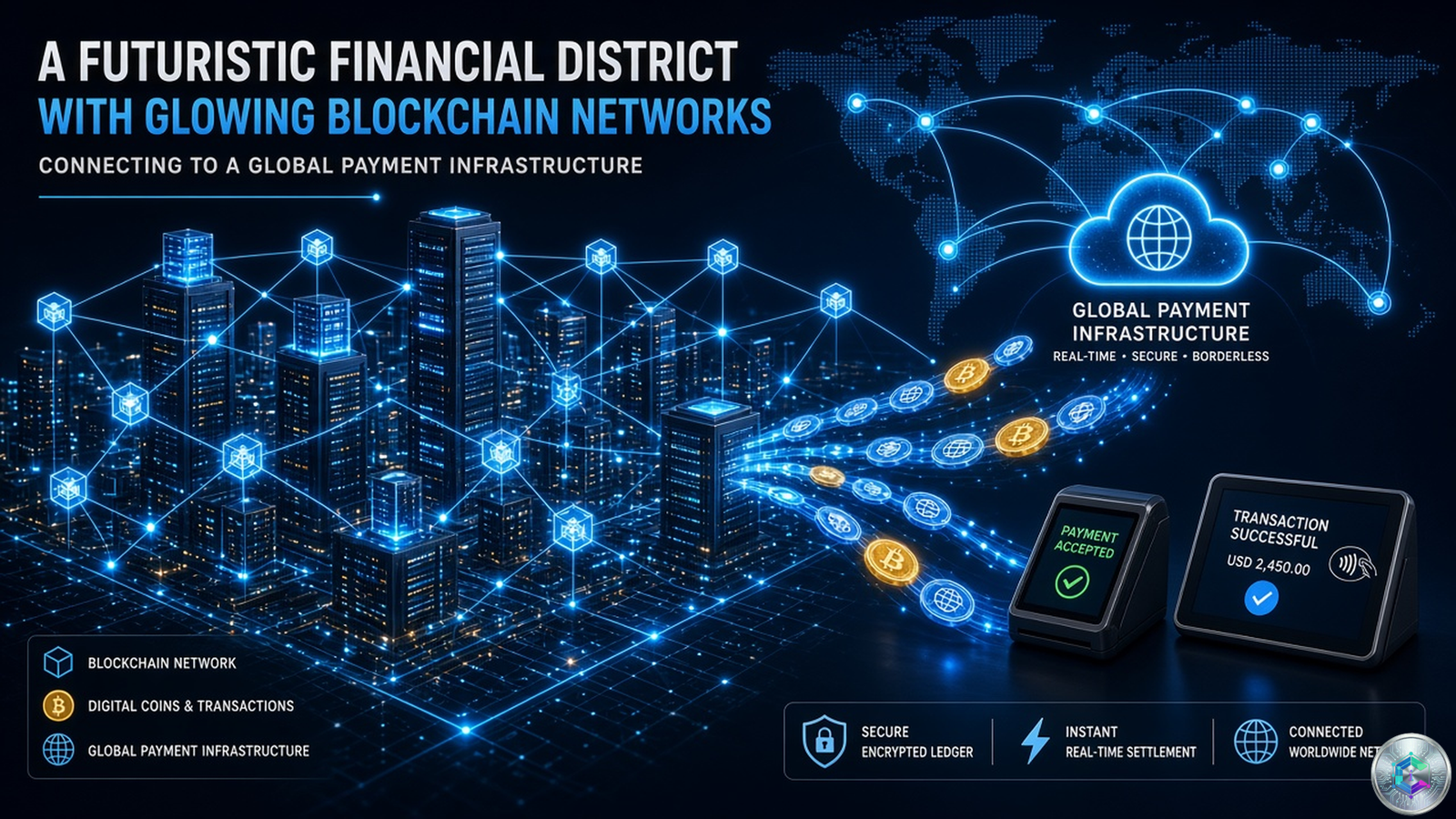
The core of this collaboration involves combining Dunamu’s digital asset technology with Visa’s global payment network to create new financial services, including stablecoin payments and cross-border fund transfers. Both companies indicated that specific initiatives would be implemented in phases, taking into account applicable laws and regulatory requirements, and relying on principles of stability, transparency, interoperability, and regulatory compliance.
Concrete applications of stablecoins in payments also represent a major axis of cooperation. Dunamu and Visa plan to explore stablecoin and digital asset payment services in key global markets, while examining possibilities to extend their use to international fund transfers, payments, and settlements.
| Aspect | Details |
|---|---|
| Partners | Dunamu (Upbit) + Visa Worldwide Pte. Limited |
| Announcement Date | August 28 |
| Presentation Location | Mission Rock, San Francisco |
| Core Domains | Stablecoin payments, cross-border transfers, AI finance |
| Guiding Principles | Stability, transparency, interoperability, compliance |
“The spread of artificial intelligence, stablecoins, and tokenization is a key trend that will transform how finance and commerce operate. Through our collaboration with Visa, a global payments leader, we will connect digital assets to traditional finance and create a new global financial experience that users can feel.”
Oh Kyung-seok, CEO of Dunamu
OUSD as a Potential Element of the Partnership
Both companies plan to evaluate various economic models using OUSD (Open USD) within the recently announced Open Standard framework. The goal is to connect stablecoins to existing global financial and payment infrastructure and expand real-world use cases for digital assets. OUSD is a dollar-pegged stablecoin developed under the Open Standard initiative, which lists Visa, Mastercard, Coinbase, BlackRock, and over 140 other organizations among its supporters.
Dunamu had previously indicated that its participation in the Open Standard constituted a proposal it was still reviewing, without formal commitment to issue OUSD. This caution reflects the exploratory nature of the collaboration with Visa, which currently remains at the stage of evaluating possibilities rather than announcing concrete products.
AI Payments and Agentic Commerce
The collaboration also extends to AI-based payments. Both companies intend to jointly develop new services and economic models combining artificial intelligence with stablecoin payment and settlement infrastructure. Areas under study include agentic commerce, in which an AI system searches for products or services, makes selections, and executes payments on behalf of users.
They will also examine the technology, infrastructure, and ecosystem-building approaches necessary for AI payments. This component of the partnership reflects the growing trend of integrating AI into financial infrastructures, with potential implications for transaction automation and payment process optimization.
A South Korean Regulatory Framework Still in Development
The scope of the partnership remains limited by the absence of concrete announcements. No launch dates, supported jurisdictions, specific stablecoins, blockchains, custody models, or settlement processes have been disclosed. The next verifiable milestone will be an announcement of a defined pilot or product.
South Korea’s regulatory framework will influence potential launches. South Korea has not finalized its general framework for stablecoins. Legislators and regulators are still debating who can issue won-pegged tokens and whether bank ownership should be required. Dollar-denominated stablecoin payment services and fund transfers could also fall under South Korean regulations on foreign exchange, anti-money laundering, and virtual assets.
Conclusion: A Strategic Signal Rather Than an Operational Announcement
In this context, the collaboration between Dunamu and Visa is notable in that it signals Dunamu’s intent—one of the largest cryptocurrency companies in Asia—to expand beyond exchange operations into payment infrastructure. For Visa, this partnership is part of a broader strategy to position itself in digital assets and stablecoins as payment infrastructure.
Visa is also reinforcing its position on fiat-backed tokens as payment infrastructure, having built its own stablecoin platform and participated in stablecoin payment trials supported by the Monetary Authority of Singapore.
Additionally, Shinhan Financial Group signed a separate memorandum of understanding with Visa on August 24, covering digital assets, AI-based payments, and B2B services. This group plans to use Visa’s stablecoin platform to test core functions such as issuance, transfers, and redemption, with participation from its major financial affiliates including Shinhan Bank, Shinhan Card, and Jeju Bank. These developments illustrate the growing interest of traditional financial institutions and crypto players in stablecoin payments, even if concrete implementation remains contingent on evolving regulatory frameworks.
Sources
This article is published for informational and educational purposes. It does not constitute investment advice. Do your own research (DYOR) before making any decisions.

