


Apple has developed a large language model (LLM) tailored specifically for the Chinese market, with the support of Alibaba. This dual-track approach — unprecedented for a foreign company in China — aims to revive iPhone sales against local rivals and clear the regulatory hurdles imposed by Beijing on artificial intelligence.
🔑 Key Takeaways
- Apple has trained a custom LLM for China in partnership with Alibaba
- Alibaba’s Qwen model will be integrated into Apple Intelligence on iPhone, iPad, Mac, and Vision Pro
- The Cyberspace Administration of China (CAC) registered Apple’s generative AI service last month
- Alibaba chairman Joe Tsai confirmed the partnership following discussions with multiple firms
- The strategy targets Huawei’s lead in AI-enabled smartphones
A Homegrown Model to Bypass Restrictions
Until now, Apple relied on third-party domestic models to power its generative AI features in China, where US-made models such as Anthropic’s Claude and OpenAI’s ChatGPT remain blocked. The Cupertino company is shifting strategy by training its own LLM, developed and supported by Alibaba Group, according to three people familiar with the matter who spoke on condition of anonymity.
This two-tier architecture — an Apple-trained model layered on top of Qwen — lets the firm retain tight control over the user experience while leveraging the regulatory infrastructure of a local partner. It would make Apple the first foreign company authorized by Beijing to offer a proprietary AI model on Chinese soil, marking a rare collaboration between American and Chinese technology giants.
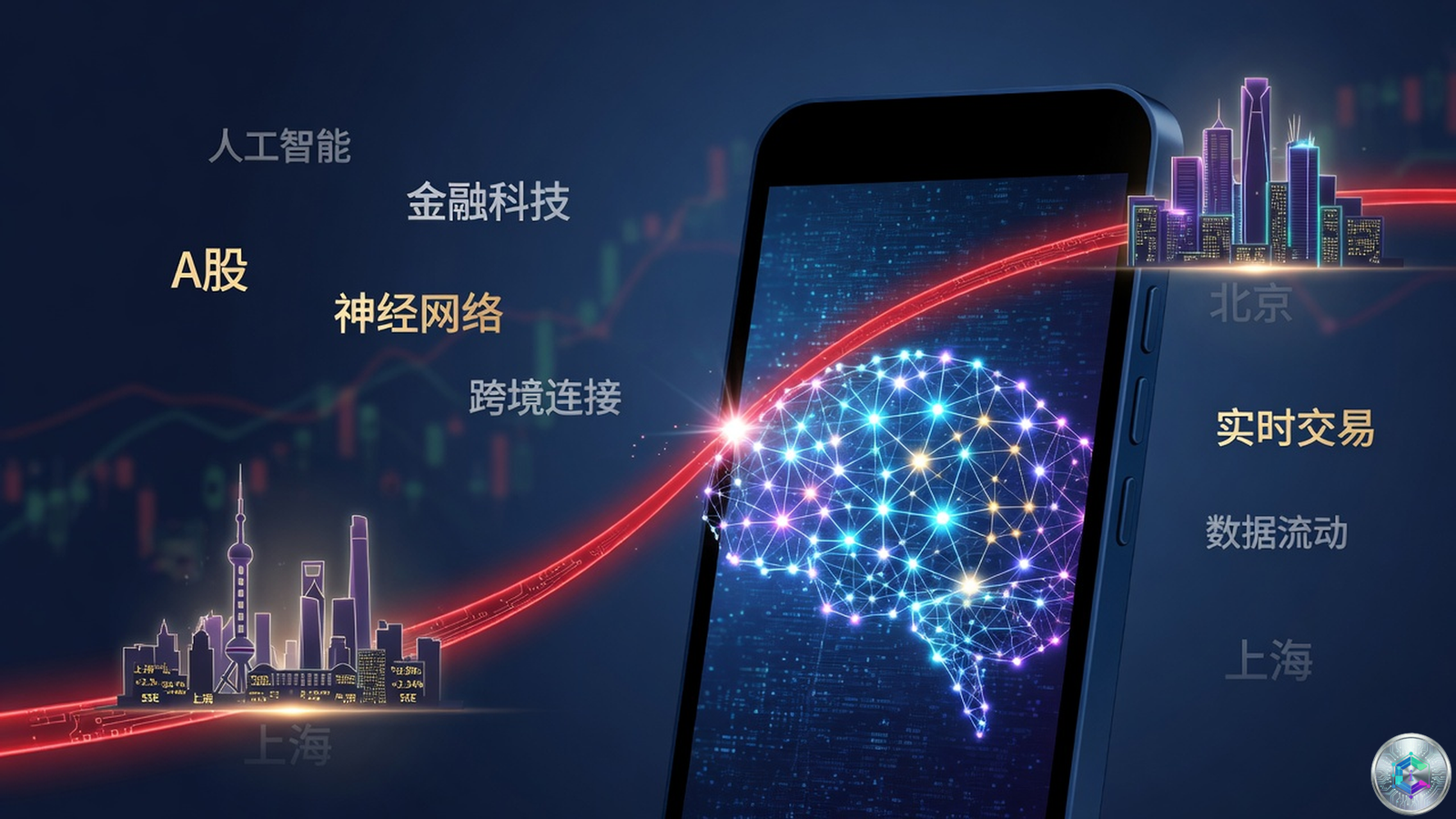
“They talked to a number of companies in China. In the end, they chose to do business with us.”
Joe Tsai, Chairman of Alibaba
The Apple-Alibaba Tandem: Qwen at the Heart of Apple Intelligence
Under the arrangement, Alibaba’s Qwen model will be integrated into the Chinese version of Apple Intelligence shipped with compatible iPhone, iPad, Mac, and Vision Pro devices. The service will also incorporate Baidu technology, as Reuters reported in July. The precise division of roles between Apple’s self-trained model and the third-party Chinese models has not been disclosed, but work is advancing on both fronts.
Last week, Apple published a Chinese-language guide explaining how eligible Mac users in mainland China could connect Qwen to the Siri voice assistant and the Writing Tools feature. The guide, specific to Mac, has since been removed without official explanation — likely a sign of ongoing internal testing ahead of the public rollout.
A Marathon Regulatory Process
The deployment required a lengthy regulatory process that concluded last month, when the Cyberspace Administration of China (CAC) — the country’s internet watchdog — registered Apple’s generative AI service. This approval clears the way for Apple Intelligence to arrive on Chinese iPhones for the first time, expected within the coming months following an iOS update.
| Actor | Role | Status |
|---|---|---|
| Apple | Custom LLM development, system integration | Model trained, awaiting deployment |
| Alibaba (Qwen) | Base model provider, technical partner | Validated, integration ongoing |
| Baidu | Complementary technology | Announced July 2025 |
| CAC (regulator) | Regulatory approval | Registration validated last month |
Commercial Stakes: Catching Up with Huawei
China remains a critical market for Apple, representing a significant share of its global revenue. The absence of AI features on Chinese iPhones has been cited as a drag on sales, with consumers shifting to local brands — notably Huawei — that have taken an early lead with smartphones embedding generative AI assistants.
This dual-track deployment represents a unique approach for a foreign company in China, enabling Apple to clear the regulatory barriers that have limited access for many other US tech firms. It also unfolds against a widening trade and diplomatic dispute between Washington and Beijing over AI, which makes the technical-commercial cooperation all the more noteworthy.
Markets Already Welcome the Partnership
Alibaba’s US-listed shares rose roughly 4% in premarket trading following the July registration news, illustrating investor expectations that the partnership could reshape China’s AI ecosystem. Conversely, the move highlights the persistent challenges facing US AI players, forced to navigate the digital borders imposed by Chinese regulation.
Conclusion: A Real-World Test for American AI in China
The arrival of Apple Intelligence on Chinese iPhones, expected in the coming months, will constitute a real-world test for a US AI model operated jointly with a local partner. If the rollout succeeds, it could serve as a precedent for other foreign tech companies facing the same regulatory blockages. Conversely, any regulatory misstep or technical gap could reinforce the grip of local players — Huawei, Baidu, Alibaba — already ahead in the Chinese consumer AI market.
Longer term, the coexistence of Apple’s homegrown LLM with third-party models raises a strategic question: how far can Apple preserve the consistency of its user experience amid heterogeneous local constraints? The answer will shape a growing share of its regional results.
Sources
This article is published for informational and educational purposes only. It does not constitute investment advice. Do your own research (DYOR) before making any decision.

