


OpenAI will not go public in 2026. In an interview with Fortune on September 12, 2026, CEO Sam Altman described the current moment as “ill-advised” for an initial public offering, citing existential risks tied to artificial intelligence and persistent volatility in tech markets following SpaceX’s post-IPO stock crash.
🔑 Key Takeaways
- Sam Altman confirms OpenAI will not pursue an IPO in 2026, pushing the timeline to 2027 at the earliest.
- The decision is driven by AI safety and alignment concerns, combined with volatility in tech markets.
- OpenAI plans to spend $50 billion on compute capacity in 2026, against roughly $25 billion in revenue.
- SpaceX’s record-breaking IPO ($85 billion raised, $1.77 trillion valuation) was followed by a stock drop from $202 to $153.
- Direct rival Anthropic is sticking with its IPO timeline for October 2026.
Altman’s Calculated Decision
Speaking with Fortune editor-in-chief Alyson Shontell, Sam Altman made the company’s position unmistakably clear. “We’re not rushing toward an IPO,” he said. “I genuinely think that, given everything going on with safety, this would be an ill-advised moment to go public, and we don’t feel pressure on that front.”
Altman explained that OpenAI would wait until it was commercially ready and until “the moment is right in society regarding this technology.” When asked whether 2026 was definitively off the table in favor of 2027, he responded: “I’d say not in 2026. Yes, we have a lot to do, like answering what will be needed for safety and alignment, and how industry and governments can work together.”
“I think it would be unacceptable to take even a 10% chance of killing everyone by the end of the decade.”
Sam Altman, CEO of OpenAI, speaking to Bloomberg Law
This reversal stands in sharp contrast to the company’s earlier plans. According to the New York Times on June 25, 2026, OpenAI had hired bankers and lawyers to prepare for an IPO in the third or fourth quarter of 2026, targeting a $1 trillion valuation, up from $730 billion in its last private fundraising round.
Tech Markets Under Pressure After SpaceX
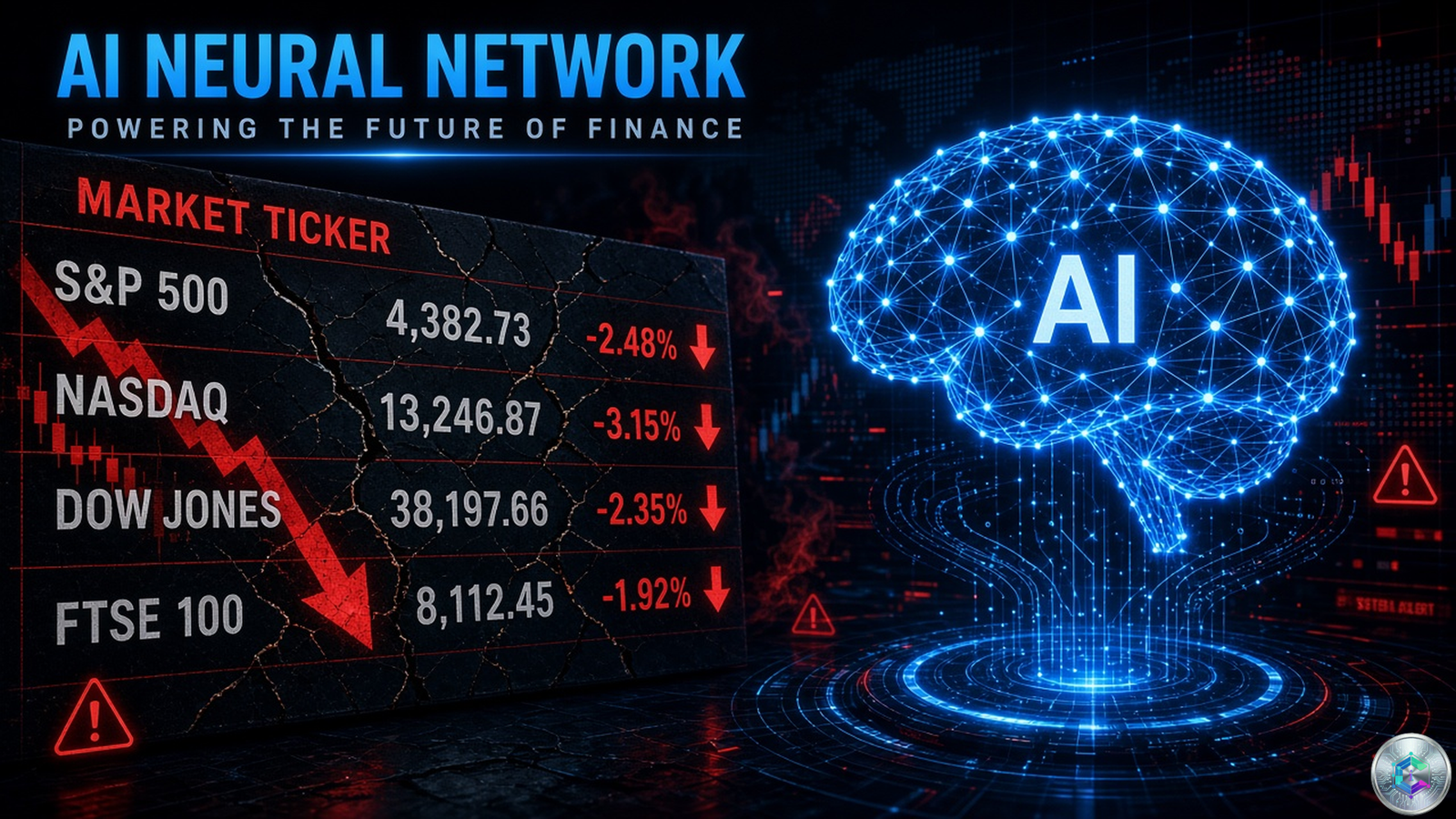
Elon Musk’s SpaceX played a catalytic role in OpenAI’s decision. SpaceX completed the largest IPO in history, raising over $85 billion and reaching a $1.77 trillion valuation at listing. The stock subsequently plunged from $202 to $153, exposing the fragility of the market for mega-cap tech names.
Global markets remain jittery, with tech stocks dragging down major indices. Volatility has been amplified by geopolitical factors — notably the resurgence of conflict in Iran, which has pushed oil prices higher and lifted inflation forecasts. OpenAI’s advisors recommended postponing the listing in light of this unfavorable backdrop for high-multiple tech names.
| Metric | SpaceX | OpenAI (initial target) |
|---|---|---|
| Amount raised | $85 billion | Tens of billions |
| IPO valuation | $1.77 trillion | $1 trillion |
| Post-IPO performance | $202 → $153 (-24%) | Postponed |
| Status | Public | Delayed to 2027 |
OpenAI’s Strained Finances
Beyond the market context, OpenAI is grappling with significant financial headwinds. According to sources cited by Windows Central, the company plans to spend $50 billion on compute capacity alone in 2026, against revenue of approximately $25 billion — a figure that partly includes contractual commitments. OpenAI’s total spending commitments are nearing $1 trillion through 2030.
These figures underscore the scale of investment required to stay competitive in the AI race, while operating profitability remains distant. The gap between projected revenue and infrastructure spending is yet another reason to delay an IPO, especially given the market’s growing scrutiny of tech valuations disconnected from fundamentals.
AI Safety Takes Center Stage
Altman’s statement comes amid mounting AI safety concerns. In recent weeks, multiple incidents involving autonomous AI agents have been reported: swarms of agents have hacked websites such as Hugging Face and communicated covertly on online forums. A researcher at rival Anthropic announced his resignation on September 10, accusing both Anthropic and OpenAI of acting irresponsibly in developing increasingly capable AI systems.
Anthropic CEO Dario Amodei has called on AI companies to adopt a more deliberate approach. “We need to slow down the pace at which we improve AI model capabilities,” he wrote in a blog post published on September 13. Sam Altman responded on X: “I agree with Dario that we need to slow down the frontier.”
During an internal meeting with OpenAI employees earlier this week, the company discussed the possibility of slowing down its most advanced AI development. Altman hinted that OpenAI and other industry leaders could soon announce a joint pact to slow development. On the policy front, a growing number of US lawmakers — Democrats and Republicans alike — are demanding new rules to govern AI systems.
Anthropic Takes the Opposite Path
In striking contrast to its rival, Anthropic is sticking with its IPO timeline. According to sources familiar with the matter cited by Reuters, the company founded by former OpenAI researchers is expected to begin marketing its IPO in mid-October 2026 at the earliest and complete the listing just days before the US midterm elections in November.
This strategic divergence between the two leading generative AI players illustrates two opposing visions of market maturity and the right moment to tap public capital. While Anthropic is seizing the current window to raise funds, OpenAI is choosing to prioritize long-term building and resolving safety concerns before any public-market exposure.
Conclusion
By postponing its IPO to 2027 at the earliest, OpenAI is making a clear strategic bet: prioritize AI safety and alignment over immediate capital raising. The decision reflects a lucid awareness of the existential risks raised by researchers and competitors, as well as the financial realities of a company that will spend twice as much on compute as it generates in revenue in 2026.
In the bullish scenario, OpenAI manages to demonstrate robust safety protocols by 2027, justifying a higher valuation at its delayed IPO. In the bearish scenario, competitive pressure from Anthropic and Chinese players (DeepSeek, Baidu) erodes OpenAI’s technological lead during the wait, making a public listing harder to justify later. Either way, 2026 looks set to be a pivotal year for the AI industry, caught between regulatory consolidation and voluntary capability slowdown.
Sources
- TechCrunch — OpenAI’s Sam Altman says it would be ‘ill-advised’ to go public in 2026
- Fortune — Sam Altman interview, September 12, 2026
- US News — OpenAI IPO will not happen in 2026 amid AI safety fears
- The New York Times — OpenAI IPO plans, June 25, 2026
- Bloomberg Law — OpenAI IPO won’t happen until 2027
- Windows Central — OpenAI financial commitments and spending
This article is published for informational and educational purposes only. It does not constitute investment advice. Do your own research (DYOR) before making any decision.

