


The crypto industry is deploying a seven-figure ad blitz to pass the CLARITY Act before the US Senate’s cloture vote scheduled for September 15, 2026. Faced with fierce banking opposition and unresolved ethics provisions in Congress, the bill’s political survival hangs in the balance.
🔑 Key takeaways
- TV campaign funded by the Cedar Innovation Foundation, linked to the Fairshake super-PAC
- Three spots: consumer protection, AARP-backed anti-elder-scam measures, and direct attacks on banks
- ICBA counter-offensive launched June 11, 2026 to defend community banks
- Senate needs 60 votes for cloture on September 15
- Banks warn of a $1.3 trillion deposit flight if stablecoin rewards are permitted
A national media offensive
The Cedar Innovation Foundation, a 501(c)(4) nonprofit affiliated with the Fairshake super-PAC (political action committee), is spearheading this national advertising campaign. With a seven-figure budget, the group is buying airtime on cable networks and rolling out three distinct TV spots timed to peak before the Senate vote.
Two of the ads focus on consumer protection and feature endorsements from outside the crypto industry: one highlights support from major law enforcement organizations, while the other showcases the backing of the AARP, America’s largest retirement association, for a provision targeting crypto ATM scams aimed at seniors.
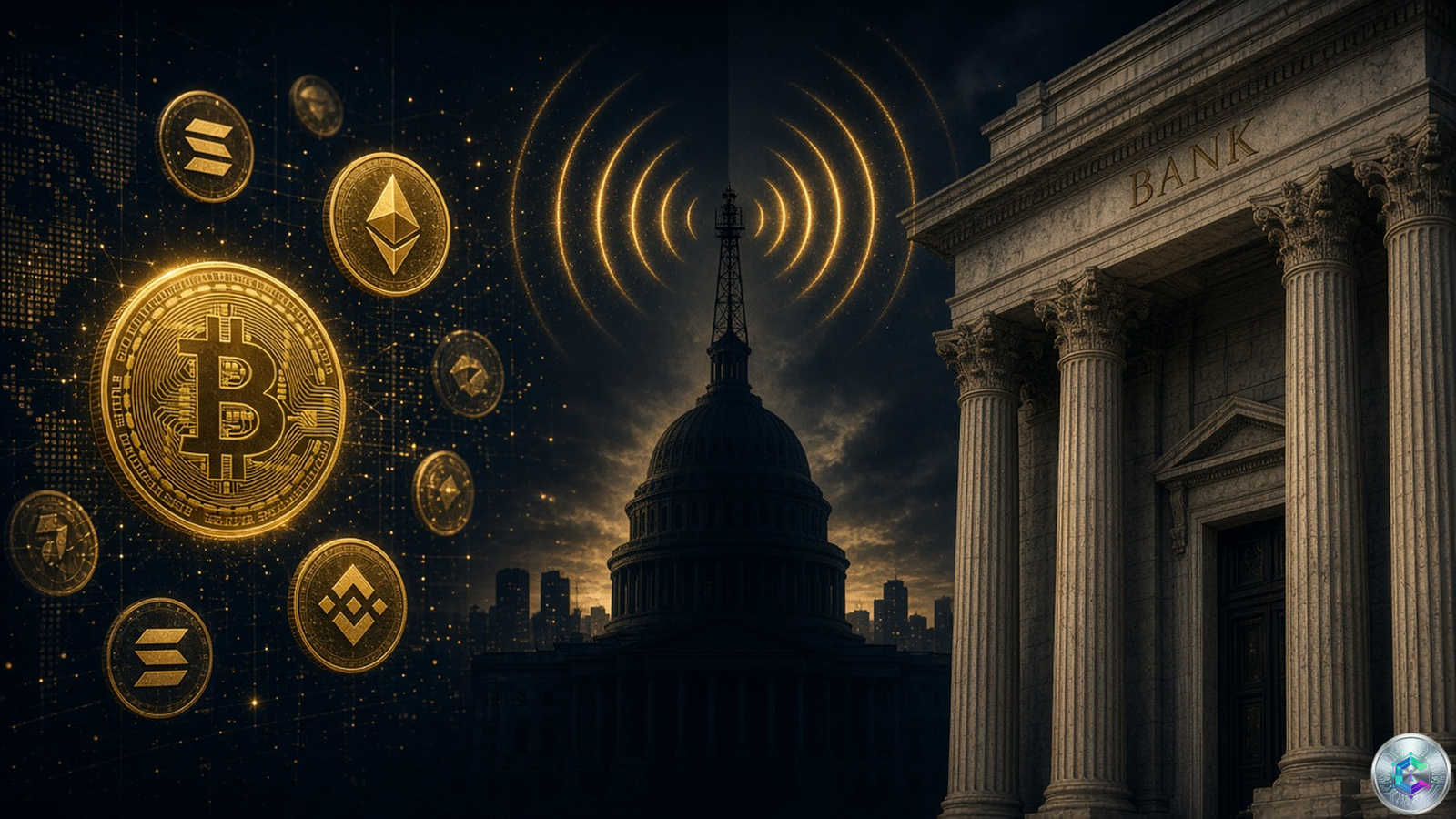
The third spot takes direct aim at banks. It accuses them of feasting on profits while blocking competition, accompanied by imagery of pigs feeding at a trough. The aim is to turn public opinion against the banking lobby, which is pushing to amend the bill, especially the provisions allowing stablecoin (tokens pegged to fiat currency) rewards.
The community banking counter-attack
The Independent Community Bankers of America (ICBA) struck back with its own campaign to defend “Main Street communities,” launched on June 11, 2026. President and CEO Rebeca Romero Rainey is determined to remind policymakers of the economic weight of community lenders.
“Community banks are the backbone of Main Street.”
Rebeca Romero Rainey, CEO of the ICBA
The numbers cited by the ICBA carry significant weight in the debate. Community banks hold $4.1 trillion in local loans, account for nearly 60% of all loans to small businesses under $1 million, and provide more than 80% of agricultural loans in the banking sector. The association warns that allowing crypto platforms to pay interest or yield on stablecoins could trigger a potential $1.3 trillion deposit flight and reduce lending activity by $850 billion.
| Metric | Value |
|---|---|
| Community bank local loans | $4.1 trillion |
| Share of SMB loans (< $1M) | ~60% |
| Share of agricultural loans | > 80% |
| Potential deposit loss | $1.3 trillion |
| Projected lending decline | $850 billion |
| Americans favoring local lending decisions | 79% |
The ICBA also notes that 79% of Americans consider it important for lending decisions to be made locally, while crypto ranks low among voter priorities according to internal surveys.
A narrowing legislative window
In the Senate, the digital asset market structure bill requires 60 votes to invoke cloture (the procedural move to end debate) on September 15. Negotiations have stalled and time is running out. The House of Representatives has already cancelled its scheduled voting weeks later in September, making it likely that final action will slip beyond the November midterm elections. Any amendment adopted by the Senate would still need House approval before reaching the president’s desk.
Republican senators Mike Rounds and Thom Tillis said prospects had deteriorated due to disagreements between Democrats and the White House over ethics provisions targeting President Donald Trump‘s family interests. Two Democratic aides told Semafor their party had made little progress on the ethics language. Rounds described the outlook as “bleak,” while Tillis said the text would fail without further executive effort.
Republican senator Roger Marshall, meanwhile, acknowledged receiving very little feedback from constituents on the matter, suggesting that the intensive lobbying campaign in Washington has not yet translated into electoral pressure back home.
The stablecoin standoff
Senator Cynthia Lummis, one of the industry’s most vocal advocates in Congress, framed the upcoming vote as a choice between protecting American digital asset innovation and letting China take the lead in digital finance. She pointed to provisions designed to safeguard customers in the event of platform failures: covered intermediaries will be required to segregate client assets and treat eligible holdings as customer property in bankruptcy, a direct response to the collapses of FTX and Celsius.
“Failure this year could push any real chance of market structure legislation all the way to 2030.”
Cynthia Lummis, Republican senator from Wyoming
On the other side, senator John Curtis (R-Utah) captured the position of many moderate colleagues: “I want to support crypto, I like crypto. I also like my banks.” Senator Rounds added, “They know us,” highlighting the personal ties between lawmakers and banking industry representatives.
For the crypto side, Kara Calvert, vice president of US policy at Coinbase, dismissed the deposit flight concerns as unfounded: “Deposit flight is a farce, and banks are promoting fear, not facts.” Senator Bernie Moreno (R-Ohio) said he was “extraordinarily confident” that every Republican would vote for the motion to proceed.
Meanwhile, Kenneth Kelly, chairman of the American Bankers Association (ABA), said members would reach out to senators during the August recess to propose targeted changes on stablecoin rewards, expressing optimism about an improved text in September. As an additional lever, Lummis and Moreno co-sponsored the Credit Card Competition Act, legislation banks have fought for years. Moreno did not rule out linking the two bills if banking pressure continues.
Conclusion: a stress test for crypto’s political clout
The September 15 cloture vote is now a decisive test of whether the crypto sector’s growing political influence can translate into actual legislation. A compromise on stablecoin rewards could unlock the 60 votes needed, while failure would push any structural reform all the way to 2030, handing a major competitive advantage to offshore digital finance hubs.
Sources
This article is for informational and educational purposes only. It does not constitute investment advice. Do your own research (DYOR) before making any decision.

