


On May 25, 2026, Tether and the Government of Georgia announced GEL₮, a stablecoin pegged 1:1 to the Georgian Lari. This partnership, structured with central bank oversight, aims to reduce remittance costs and digitize trade payments, potentially creating a model for other emerging markets.
🔑 Key Takeaways
- GEL₮ is a fiat-backed stablecoin issued by Tether and supervised by the National Bank of Georgia.
- The framework requires 100% reserve backing and prior regulatory consent.
- Target use cases include cross-border trade, remittances, and merchant payments.
- The model prioritizes regulation before product launch, an unusual approach in the crypto space.
- Key details like launch date and blockchain network remain undisclosed.
What Is GEL₮?
GEL₮ is a digital token representing the Georgian Lari (GEL) on a blockchain. Unlike a central bank digital currency (CBDC), it is issued by Tether under the regulatory oversight of the National Bank of Georgia (NBG). Each token is redeemable for one Lari, backed by 100% reserves as required by the NBG.
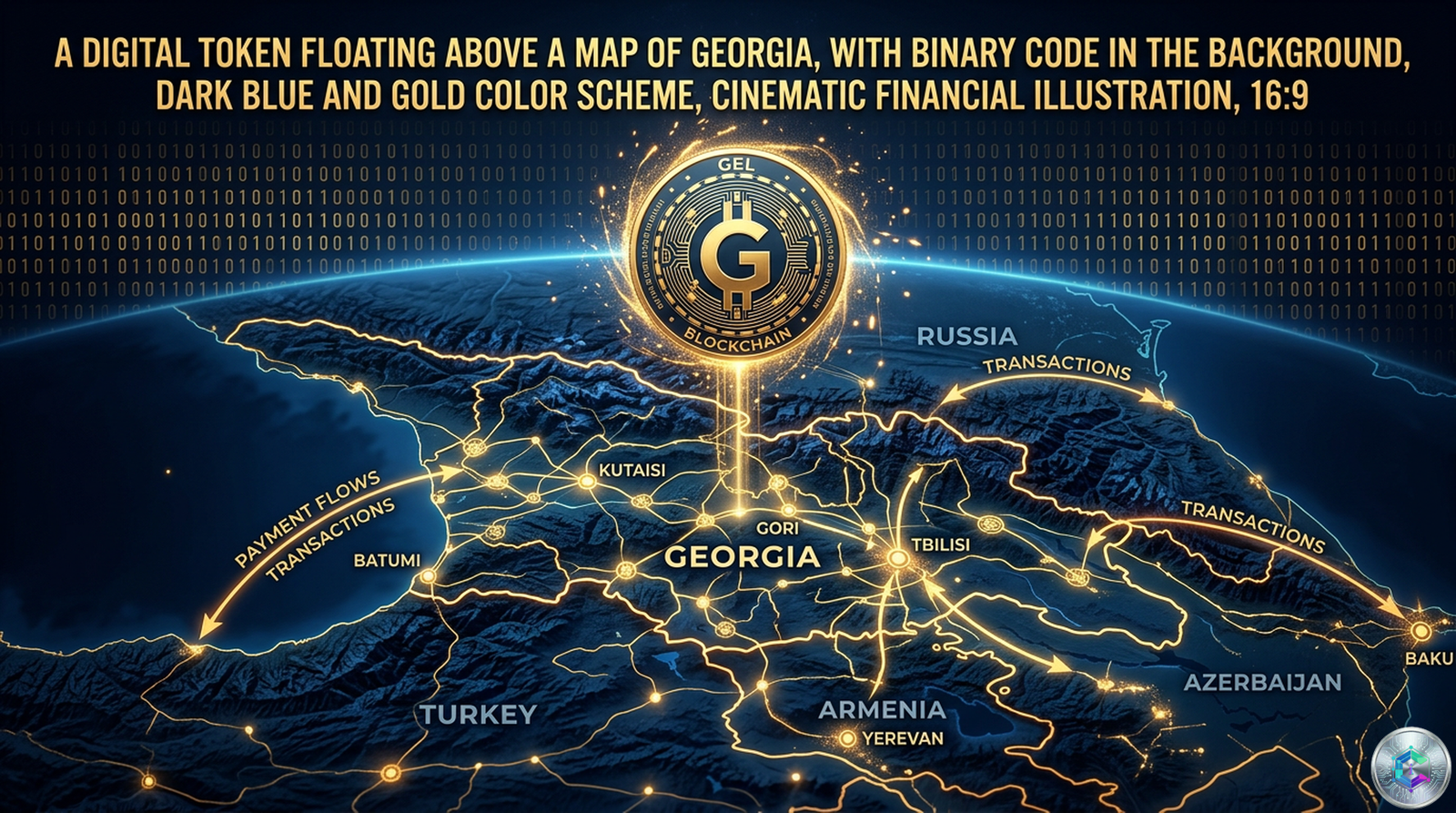
The stablecoin targets domestic and cross-border trade payments, fintech settlement, and remittances. Georgia’s $2.5 billion annual remittance market, with high traditional transfer costs, is a key focus. The initiative aims to reduce transaction costs and enable near-instant settlement.
| Feature | Detail |
|---|---|
| Issuer | Tether Operations Limited, with NBG oversight |
| Reserve backing | 100% per NBG requirements |
| Model | Private-public partnership |
| Target use cases | Cross-border trade, remittances, merchant payments |
A Regulatory Framework Built in Advance
Georgia did not announce a stablecoin and then seek regulation. Instead, the NBG issued Order No. 52/04 in March 2026, establishing a comprehensive framework for Lari-pegged stablecoins. This regulation mandates 100% reserve backing, prior NBG consent, minimum capital of GEL 500,000, full redemption rights, and strict AML/KYC compliance. The framework is also designed to align with international standards like the US GENIUS Act.
« The National Bank of Georgia welcomes collaboration with global innovators like Tether as part of its broader strategy to advance secure, modern, and internationally aligned digital financial infrastructure. »
Natia Turnava, President of the National Bank of Georgia
This regulatory-first approach reduces uncertainty and gives Georgian authorities control over the product’s launch and operation.
Tether’s Strategic Expansion
Tether, known for its dollar-pegged USDT with over $140 billion in market capitalization, is expanding beyond dollar stablecoins. GEL₮ represents a move into non-dollar economies, offering a stablecoin in local currency to avoid conversion costs and currency risk for users.
« Stablecoins are no longer a niche financial instrument. They are becoming part of the infrastructure layer for global finance. »
Paolo Ardoino, CEO of Tether
The partnership with Georgia is one of Tether’s most state-integrated projects, signaling a shift from a product company to a platform provider for sovereign digital currency infrastructure. Tether is actively seeking jurisdictions with clear regulatory frameworks.
Implementation and Open Questions
The collaboration between Tether and Georgia has been developing for years:
| Year | Event |
|---|---|
| 2023 | Memorandum of understanding signed between Tether and Georgian authorities. |
| 2026 | Georgia introduces VASP registration rules with AML/KYC obligations. |
| March 2026 | NBG Order No. 52/04 establishes the stablecoin framework. |
| May 25, 2026 | GEL₮ partnership announced publicly. |
Despite the announcement, several key details remain unknown:
- Launch timeline: No specific date has been given.
- Technical infrastructure: The blockchain network(s) for GEL₮ have not been specified.
- Reserve composition and audit: The exact assets and audit process are not detailed.
- Adoption mechanics: The initiative appears to be opt-in, with no requirement for businesses to accept it.
- Legal entity structure: It is unclear whether GEL₮ will be issued through a new Georgian entity or existing Tether structures.
As of the announcement, no GEL₮ smart contract exists on any public blockchain.
Implications and Risks
The Georgia-Tether model could influence other emerging markets with high remittance costs and limited banking penetration. If successful, it may attract interest from governments in Ukraine, Moldova, Central Asia, and sub-Saharan Africa.
However, risks remain. Tether’s historical opacity in reserve reporting, potential regulatory arbitrage, adoption challenges, and geopolitical complexities are factors to monitor.
« Together with visionary partners like Tether, Georgia is laying the foundations for a more connected, transparent, and digitally empowered financial world. »
Irakli Kobakhidze, Prime Minister of Georgia
Conclusion
The GEL₮ announcement is a significant step, but its success depends on execution. The regulatory-first approach is commendable, and the partnership between Tether and Georgia could set a precedent for public-private stablecoin models in emerging markets. The coming months will reveal whether the vision translates into operational reality.
Sources
- Tether and Government of Georgia joint press release
- National Bank of Georgia Order No. 52/04
- « Tether and Georgia to Launch GEL₮ Lari Stablecoin »
- USDT market data and GEL conversion rates
This article is published for informational and educational purposes only. It does not constitute investment advice. Do your own research (DYOR) before making any decisions.

